Language boosts invisible objects into visual awareness
New research suggests that language can both enhance and diminish the sensitivity of our vision.
This article is from theguardian.com by Mo Costandi.
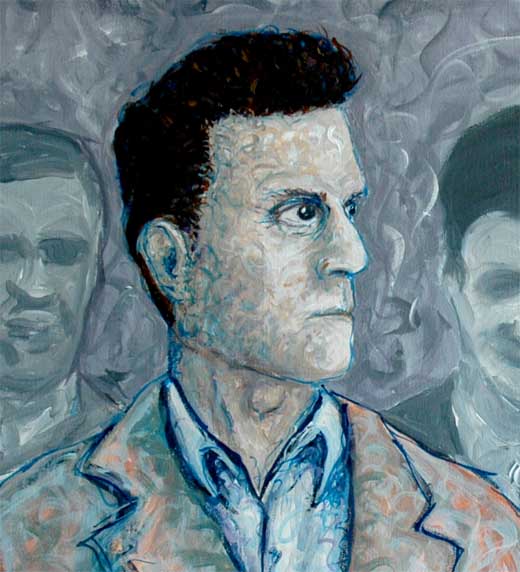 The philosopher Ludwig Wittgenstein famously said that, “the limits of my language mean the limits of my world,” meaning that we can only understand the world through the language we use, and that if our language does not include words for some particular idea or concept, then that concept cannot exist for us. The relationship between language and thought is complex, which researchers continue to debate. Some, like Wittgenstein, argue that thought is dependent on language. Others point out that thought can occur in the absence of language, deaf people being an important case in point. Read more →